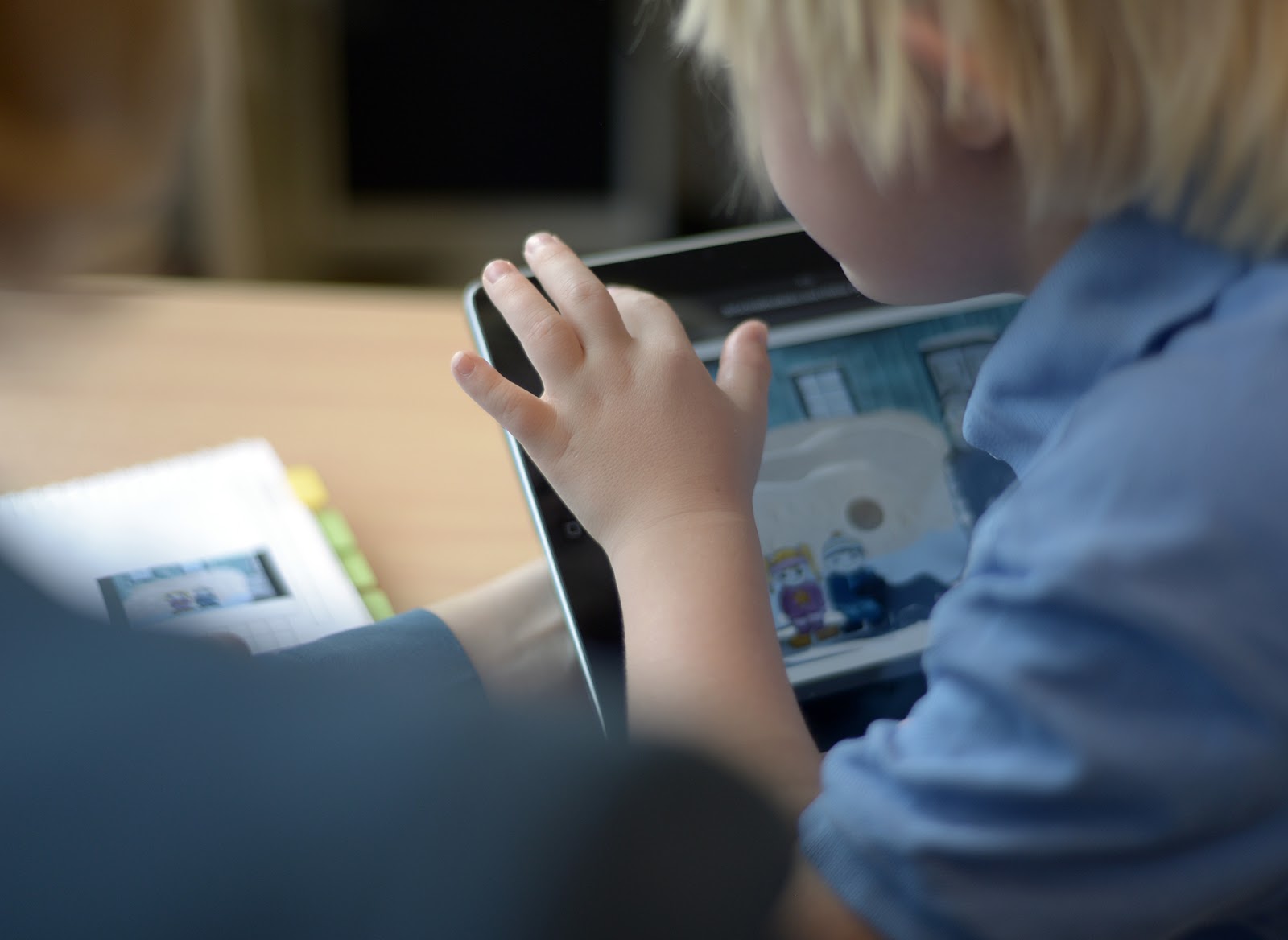
DSL+-appen blir gratis tilgjengelig for alle


Innen kort tid vil du kunne ta en sniktitt på DSL+-appen i App-store. Den har der fått navnet "Dilli og de magiske ordene". Materiellet og nettsidene er under utvikling. Forskningsversjonen av appen gjøres nå om til en app til bruk i praktisk øyemed. Den vil kunne brukes i barnehager, på  første trinn i skolen og hjemme av privatpersoner som f.eks. foreldre. 

Selv om omarbeidingen av appen fra forskningsversjon til praksisversjon ikke er ferdig enda velger vi likevel å dele de første trinnene i publiseringsprosessen for å kunne justere etter brukererfaringer og innspill i løpet av prosessen. Dette innebære at det blir endringer på nettsiden og i materiellet underveis. 

Målet er å ha en ferdig nettside og en full versjon av materiellet 15. februar 2026, samt en versjon for brukere av alternativ og supplerende kommunikasjon 15. februar 2027. Utviklingen av materiellet er finansiert av Udir.  

Oppdateringer vil gis her i bloggen vår og på nettside vår som lanseres i morgen.

Håper du vil følge oss.


New publication!

A short-version of the DSL+ intervention has been translated and tested by American children with Down syndrome and their parents! 

Read the paper HERE


Evaluating the Quality of Education, Health and Care Plan outcomes for primary school students with Down Syndrome in England


Are primary school students with Down syndrome receiving high quality, functional and relevant education outcomes in their Education, Health and Care (EHC) plan? If your primary school child receives education services stipulated by the EHC plan, their most recent EHCP can help answer this question and guide further outcome development. This research project aims to evaluate the quality of (EHC) plan outcomes for primary school students with Down syndrome in England who are enrolled in both mainstream and special schools.

1: Parent Information Letter 
2: Consent Statement 
3: Participation Link 


Questions about the project or participation? 

Contact Camilla Brooks at camiljb@student.uv.uio.no


New publication!


We have published a language review and meta-analysis of language interventions for children with Down syndrome in Journal of Communication Disorders!

Read HERE

Vil du se innlegg fra dagskonferansen Vokabulartiltak i barnehage og skole?


Videoer, Power pointer og svar på spørsmål i chat under dagskonferansen Vokabulartiltak i barnehage og skole er nå tilgjengeliggjort på arrangementets nettside (trykk her)! Lenker til hvert enkelt innlegg ligger nederst på arrangementssiden.


Takk til alle foredragsholderne og alle interesserte!

DAGSKONFERANSEN OM VOKABULAR STREAMES!

Har du fått med deg at ISP arrangerer dagskonferanse om vokabular?


På grunn av corona-viruset vil formidlingen foregå digitalt. Informasjon om streamingen vil bli lagt ut på arrangementets hjemmeside. 

Kan det bli enklere? Du kan sitte hjemme i din egen stue eller på egen arbeidsplass og oppdatere deg på den nyeste forskningen innenfor vokabular relatert til barn og unge.

Velkommen!

For mer informasjon om konferansen se arrangementets nettside HER 

Hold av dagen for seminar om vokabular ved Institutt for Spesialpedagogikk!

Illustrasjonsfoto: Colourbox


Fredag 8. mai arrangeres det seminar om vokabular i regi av DSL+-prosjektet ved Institutt for Spesialpedagogikk (UiO).


Seminaret markere avslutningen på DSL+-prosjektet og resultater fra studien skal presenteres. I tillegg inviterer vi inn forskere på feltet til å presentere sine prosjekter med vokabular som tema.


Meld deg på her!


Kelly Burgoyne visiting the University of Oslo: read her bloggpost about the stay here!

We were so lucky to have Kelly Burgoyne visiting in August. Her visit were supported by The ESRC International Centre for Language and Communication Development (LuCiD).

Read about her visit and collaboration with the DSL+-team here: Language intervention for children with Down syndrome


Screenshot from http://www.lucid.ac.uk

Research visit from Vanderbilt Peabody College

Last week we had our wonderful collaborators Associate Professor Christopher Lemons and his PhD student Lauren Lejune visiting from Peabody College of Vanderbilt University. The trip was funded by a joint project on a US Version of the DSL+. Here we are going to share a summery of an open seminar held at the Departement of Special Needs Education - UiO during their stay. 

Supporting the reading needs of students with intellectual disabilities via technology 
Chris Lemons and Lauren Lejune presented three ongoing studies using technology to support the learning needs of students with intellectual disability:

  1. Project Spark aims to improve (a) professional development for paraprofessionals and (b) academic instruction for students with Down syndrome. The study is a Randomised  Controlled Trial were the participants receives a 1-on1 reading or math intervention. The paraprofessionals receives weekly training and support online. Here the researchers have found a way to follow up large numbers of participants spread over a large geographical area and developed a framework for supporting professional development that we are eager to learn more about. 
  2. Digital versus paper based reading instruction for children with challenging behaviour:  This study is Lauren Lejunes Dissertation study. The study involves the implementation of reading instruction in two different modalities: digital and paper based. The research objective is to investigate if the degree of engagement and challenging behaviour differs between the two different modalities. 
  3. The Down Syndrome LanguagePlus - Vanderbilt Edition is a pilot study investigating the vocabulary gains of four children with Down syndrome using a translated short version of the DSL+ vocabulary intervention. We are eager for the last participants to complete training so we can see the results of this collaborative project. Meanwhile, preliminary findings shows the feasibility of parents implementing the intervention in their homes with minimal support. 

Gluten-sensitivity and development in children with Down syndrome
Professor Egil Nygaard together with  Mikkel Glimsdal and Daniel Bryne from the Departement of Psychology talked about a new study in the planning stages on gluten-sensitivity and development in children with Down syndrome. The study is a follow up of the study; The relation between the psychological functioning of children with Down syndrome and their urine peptide levels and levels of serum antibodies to food proteins. In this study published in 2001 Nygaard and his colleagues found that there were a significant relation between antibodies to gluten and psychological functioning. In this new cross sectional study they are further investigating the connection between biological markers for gluten sensitivity (not celiac desease) and psychological functioning in 60 children with Down syndrome (5 - 11 years old). The main focus is on cognitive functioning and behavioural markers on anxiousness, sadness and anger.

Comment: Learning more about how health conditions such as gluten-sensitivity influence psychological functioning in children with Down syndrome is important because untreated conditions might be detrimental for learning and development. We wish Egil Nygaard and his team good luck with their research and look forward to learning the results! 


Narrative skills in first graders with Down syndrome
Professor Kari-Anne B. Næss presented preliminary findings from three different studies on narrative skills in first graders With Down syndrome, also including data from the Down Syndrome LanguagePlus-project. The aim of the study is to investigate the narrative skills in six year olds with Down syndrome and to analyse if the scores on a narrative test is a good indicators of linguistic skills in six year olds with Down syndrome. Since children With Down syndrome are at risk of weak narrative skills and narrative skills are important for both social and academic functioning it is important to reveal knowledge relevant for effective interventions. Preliminary findings from the analysis (N=52 at the moment will be ca 150 when finished) was presented and showed large variation in results between participants. The results showed that it is a myth that individuals with Down syndrome in general are unable to retell stories and talk about their opinions and understanding. Almost 27% of the children were able to retell some information using oral language.

The Effectiveness of Reading and Writing Interventions for Students with Intellectual Disabilities. A systematic Review and Meta-Analysis

Phd-student Karine Bakken gave a poster presentation. The presentation recently received an award for best poster presentation at the Skriv! Les! conference in Stavanger, Norway. Gratulations Karine! You can see the whole presentation in the bottom of this blogpost.


We would like to thank you all for your great contributions this day! We would also like to give an extra warm thank you to our collaborators and friends from Vanderbilt for a lovely week both on and off campus - great memories were made!


Kari-Anne, Chris, Silje and Lauren celebrating the Norwegian National Holiday, 17th of May


Åpent seminar: Hvordan støtte og fremme utvikling hos barn med utviklingshemming?

Onsdag 15. mai 12.45 - 15.30 holdes det et åpent seminar om temaet: Hvordan støtte og fremme utvikling hos barn med utviklingshemming?

Illustrasjonsfoto: Colourbox
Christopher Lemons og Lauren Lejune fra Vanderbilt Peabody College holder innlegg der de forteller om tre studier de har gjennomført hvor de undersøker bruk av teknologi i tiltak for å fremme leseferdighet hos barn med utviklingshemming. I tillegg holder Kari-Anne B. Næss (Institutt for Spesialpedagogikk) innlegg om narrative ferdigheter hos barn med Down syndrom og Egil Nygaard (Psykologisk Institutt) forteller om en studie av glutensensitivitet hos barn med Down syndrom.


Du kan melde deg på her: Hvordan støtte og fremme utvikling hos barn med utviklingshemming?

Statusrapport fra masterstudentene: Rekruttering og Kartlegging


Live, Malin, Elise Mari og Anja
Det er månedsskifte, mandag og sol, og vi er i startfasen av et spennende forskningsprosjekt. Som masterstudenter ved institutt for spesialpedagogikk, har vi vært så heldige å få muligheten til å skrive våre masteroppgaver i tiknytning til DSL+. Det vil samarbeides i et team, men våre undersøkelser vil ha ulike tilnærminger og innfallsvinkler. Vi får god støtte og veiledning fra Silje Hokstad og Kari-Anne B. Næss underveis, og det setter vi stor pris på.


Prosjektmaterialet som skal sendes ut til barnehagene og skolene som blir med i studien, er ferdig sortert og pakket. Vi har fått innføring i ulike kartleggingsverktøy og prosessen med rekruttering av årets deltakere er i gang. Vi gleder oss til å utføre språkkartleggingen av fem- og seksåringene, og til oppstarten av intervensjonen.

- Live, Malin, Elise Mari & Anja -

Digitalt språktiltak for 6-åringer med utviklingshemming - vil dere være med på utprøving?

Shane Colvin/UiO
Vi starter nå opp en ny utprøving av DSL+-tiltaket og søker deltakere fra Oslo, Akershus, Buskerud, Østfold, Vestfold, Telemark og Troms! 

Denne gangen ønsker vi å inkludere barn med utviklingshemming uavhengig av årsak. Vi søker derfor skolestartere høsten 2018 eller høsten 2019 som vil være med på utprøvingen. Les mer om prosjektet og finn kontaktinformasjon her: Digitalt språktiltak for 6-åringer med utviklingshemming - vil dere være med på utprøving?


Funding from Uio: Life Science has resulted in plans for future research related to Down syndrome!

Silje and Kari-Anne received funding from UiO: Life Science to conduct a two-week Research stay at Peabody College of Vanderbilt University. The purpose of the visit was to follow up on an ongoing Collaboration Project With Associate Professor Christopher Lemons and his research team, as well as making further plans for research involving children With intellectual disability.


Vanderbilt University Campus


Earlier this year, Christopher Lemons received an internal grant from Vanderbilt University to translate and pilot an American short version of the Down Syndrome LanguagePlus Intervention (DSL+). Since then we have been working together on the adaption of the American version. During Our stay, we have discussed linguistic challanges related to the translation of tasks, study design, measures and different other methodological aspects in order to esure high quality research. We met with SLP students working on the projectt and we participated in the first round of audio recordings for the app.


Furthermore, we started the preparations of a new review study related to interventions in children with intellectual disabilities. This review will be a collaboration Project between senior and junior researchers at Peabody and UiO. In addition, we have started the work on a research proposal related to a new intervention project that will be sent to the research counsil of Norway within April 10th.


Christopher Lemons organized a fantastic Down syndrome symposium. Altogether, there were 9 talks from researchers within the field, focusing on communication, speech, language, phonological awareness, reading, and teaching of children with Down syndrome. We are Grateful for all the researchers, both speakers and active discussion partners, for providing Insight into recent and ongoing studies as well as contributing with valuable input in methodological discussions.


We would also extend a great thanks to Lynn Fuchs, Douglas Fuchs and Christopher Lemons for inviting us to their expert panel discussion on career and research applications for the departments PhD students. Especially the discussion on "small research": how to conduct research without large external funding Sources appealed to us.


In addition to the above-mentioned activities we have had the pleasure to meet with several researchers for dicussions of important issues related to special needs education both in formal and informal events.


Finally, we would like to thank Christopher Lemons, his Family and his research team for preparing such a great stay in Nashville and for taking great care of us day and night. We look forward to future collaboration and seeing you again soon!


Chris, Kari-Anne & Silje at Cheekwood


Kari-Anne & Silje

DSL+-prosjektet skal samle data i Oslo-området for barn med utviklingshemming

 
DSL+ er en digital språkintervensjon som har til hovedmålsetting å fremme vokabularutvikling med fokus på både breddevokabular (antall ord barnet kan) og dybdevokabular (hvor godt barnet kan ord). DSL+-appen er prøvd ut med en gruppe barn med Down syndrom med positive erfaringer, og vi ønsker nå å prøve den ut med 1. klassinger med utviklingshemming.
 
Masterstudenter ved institutt for spesialpedagogikk har bitt invitert til å søke om deltakelse i prosjektet. Mange studenter søkte, og vi har i dag avgjort hvilke studenter som skal få tilbud om å skrive sin masteroppgave i tilknytning til prosjektet 2018/2019. Vi gratulerer Anja Gram Andersen, Live Rødsand Kvernmo, Malin Rakke og Elise Mari Solberg med tilbudet!
ØV Anja, ØH Live NV Elise Mari NH Malin


Dersom du har et barn med utviklingshemming som går i 1. klasse skoleåret 2018/2019, dere bor et sted mellom Buskerud, Vestfold, Oslo og Akershus og dere ønsker å delta i studien bes dere ta kontakt med prosjektleder Kari-Anne B. Næss på mailadresse k.a.b.nass@uv.uio.no


World Down Syndrome Congress, 2018

This year the World Down syndrome Congress is organized in Glasgow by Down's syndrome Scotland. More than 1,200 people from around the world are participating. The DSL+-project is represented at the congress with Liz Smith, Liv Inger Engevik, Silje Hokstad, and Kari-Anne B. Næss.


The DSL+ delegates
We aimed to learn about new research in the field of Down syndrome, meet with international colleagues and parents, and arrange the Symposium on Research in Language and Communication among Children with Down Syndrome. The objective of the symposium was to increase knowledge about the language and communication interventions for children with Down syndrome in order to improve the future research quality and intervention approaches in the field of practice. In order to explore the current state of the field and guide future research and practice this symposium first highlighted the findings from a systematic review, summarizing the effect of existing interventions. Second, the implementation quality in the previous studies was reviewed. Thereafter, we presented two sub studies from the DSL+-project. One of the sub studies reported the framework of the intervention and some preliminary findings of the effect and the other was related to interactive dialogical reading of the picture books included in the program. Our symposium was more than filled to capacity; In addition to filling all seats people was standing or sitting on the floor in the back of the congress room. I am thankful to the audience for their participation and all the interesting questions and comments after our presentations. Also, I would like to thank our international colleagues for their interesting contributions in the discussions – and great thanks to the fantastic DSL+-team.  


Kelly Burgoyne
During the congress there have been several interesting presentations for us by e.g. Kelly Burgoyne who talked about shared book reading, Chris Lemons that focused on research on enhancing literacy outcomes, and Sue Buckley who talked about Developing evidence based early intervention and education. Yesterday morning Deborah Fidler gave a very well structured and interesting talk on which skills are important to monitor closely and to intervene in young children with Down syndrome especially with the focus on school functioning. Fidler is a great researcher within the field and has a long time experiences doing a lot of great empirical work. This time I also found Fidler’s talk interesting but I was a bit protonated by her crossing out both cognitive skills and language/communication as NOT RELATED TO SCHOOL FUNCTIONING. Her focus in the talk was of course the executive functioning which she obvious wanted to highlight as important. However, there is challenging to demonstrate that an effect is absolutely absent. Her interpretation of a non-significant result is in my opinion taken way too long (I think it is this paper she was referring to: https://www.ncbi.nlm.nih.gov/pmc/articles/PMC4012569/pdf/167.pdf ). Eventual lack of unique contribution does not mean that cognition and language and communication it is not contributing. This result depends among others on overlap between measures, significance level, number of particippants and power in the analysis. To make such a strong claim based on a sample size around 20 and for three conditions can actually be totally misleading. I really hope that the parents and practitioners among the audience not think that there is no need for language training for the child to improve their school functioning. A GREAT DEAL OF EVIDENCE HAS SHOWN THAT LANGUAGE IS IMPORTANT FOR A RANGE OF LEARNING AND DEVELOPMENTAL AREAS RELEVANT TO ACADEMIC AS WELL AS SOCIAL SKILLS. I had hope I had misunderstood something in her talk but a short chat in the break with some of my international colleagues confirmed that my understanding was not a result me not being native English speaker or not following her justifications, Unfortunately there were not possible to ask questions in this session so I still have a few unanswered questions for Fidler regarding her interpretation of the results. The congress also had it’s own poster area, Several poster presentations were given and especially I was interested in the interventions by Rebecca Baxter on grammar and Lauren LeJeune on phonological awareness. Liz Smith from our project group also gave a poster presentation on a novel measure to track potential early signs of dementia.


Liz Smith in her poster session
We have had some lovely days in Glasgow both substantial and socially. Research plans have been made, ideas for funding applications have been discussed, and we have also met with Norwegian parents and resource persons. After all these years in the same research community many of these people have been good friends that we really appreciate to stay in touch with. We are now about to arrive in Norway again after some intensive days but Liz will stay for two more days in Glasgow. I am grateful for this year’s congress and for being part of this research community! Looking forward to the next world congress in Dubai in 2022.


#DetVirker

Fredag 1. juni arrangerer Institutt for Spesialpedagogikk dagskonferanse om spesialpedagogiske tiltak som virker. Konferansen har blitt mottatt med stor interesse og ble fulltegnet på kort tid. Som følge av den store interessen holdes konferansen i storsalen på Chateu Neuf, som rommer hele 1000 deltakere!  Konferansen streames og kan dermed følges live her: 


Program

Dørene åpner klokken 08:00.

1. Innledning

Barneombud Anne Lindboe

2. Åpning av konferansen

Kunnskaps- og integreringsminister Jan Tore Sanner

2. Presentasjon av tiltak basert på hva forskningen sier virker

  • Anne Arnesen (UiO): Spesialpedagogisk kartlegging - basert på hva forskningen sier virker
  • Terje Ogden (NUBU): Barn og ungdom med atferdsvansker - tiltak basert på hva forskningen sier virker
  • Kari-Anne Bottegaard Næss (UiO): Barn og ungdom med utviklingshemming - tiltak basert på hva forskningen sier virker
  • Arne Lervåg (UiO): Barn og ungdom med språkvansker - tiltak basert på hva forskningen sier virker
  • Monica Melby-Lervåg (UiO) og Anita Lopez-Pedersen (UiO): Barn og ungdom med matematikkvansker - tiltak basert på hva forskningen sier virker
  • Lunsj
  • Ona Bø Wie (UiO): Barn- og ungdom med hørselsnedsettelse - tiltak basert på hva forskningen sier virker
  • Anett Kaale (UiO): Barn og ungdom medautismespekterforstyrrelser - tiltak basert på hva forskningen sier virker
  • Oddny Judith Solheim (UiS): Barn og ungdom med lese- og skrivevansker - tiltak basert på hva forskningen sier virker
  • Mari Vaage Wang (Ekspertgruppen/Folkehelseinstituttet) - Rapporten «Inkluderende fellesskap for barn og unge»

3. Paneldebatt med


Vi ser frem til en lærerik dag med mange spennende innlegg ved Chateu Neuf!

Silje Hokstad har blitt stipendiat

Gratulerer så mye med stipendiatstillingen, Silje!
Silje Hokstad ble "headhuntet" som forskningsassistent I DSL+ - prosjektet i 2014. Hun startet først i en bitteliten prosentstilling som ble økt etter hvert. Med tiden fikk hun 100% stilling. Etter at hun leverte sin masteroppgave høsten 2017 gikk hun over i en forskerstilling i prosjektet og har gjort en aldeles strålende jobb!
Silje er utdannet spesialpedagog ved institutt for spesialpedagogikk, hun har 60 studiepoeng alternative og supplerende kommunikasjon fra HSN og har tidligere jobbet som spesialpedagog i Osloskolen. De siste årene har hun altså vært tilknyttet DSL+-prosjektet. Hun kjenner prosjektet ut og inn og har allerede vært med på å holde kurs for lærere, innlegg på internasjonale konferanser, samt skrive både artikler og søknader. På denne måten har hun opparbeidet seg en prosjektkompetanse som vi nå vil kunne ha glede av videre. Vi er veldig glade for å ha Silje med oss i 4 nye år og ønsker lykke til med et spennende arbeid!

DSL+ - webinar


Vi feirer årets internasjonale Down syndrom dag med å lansere en kommende webinar-rekke!


Se introduksjonsvideo her:


      Program


Meld deg på webinaret her: https://skjema.uio.no/webinar


Rock your socks!

DSL+ - webinar

Mest lest