
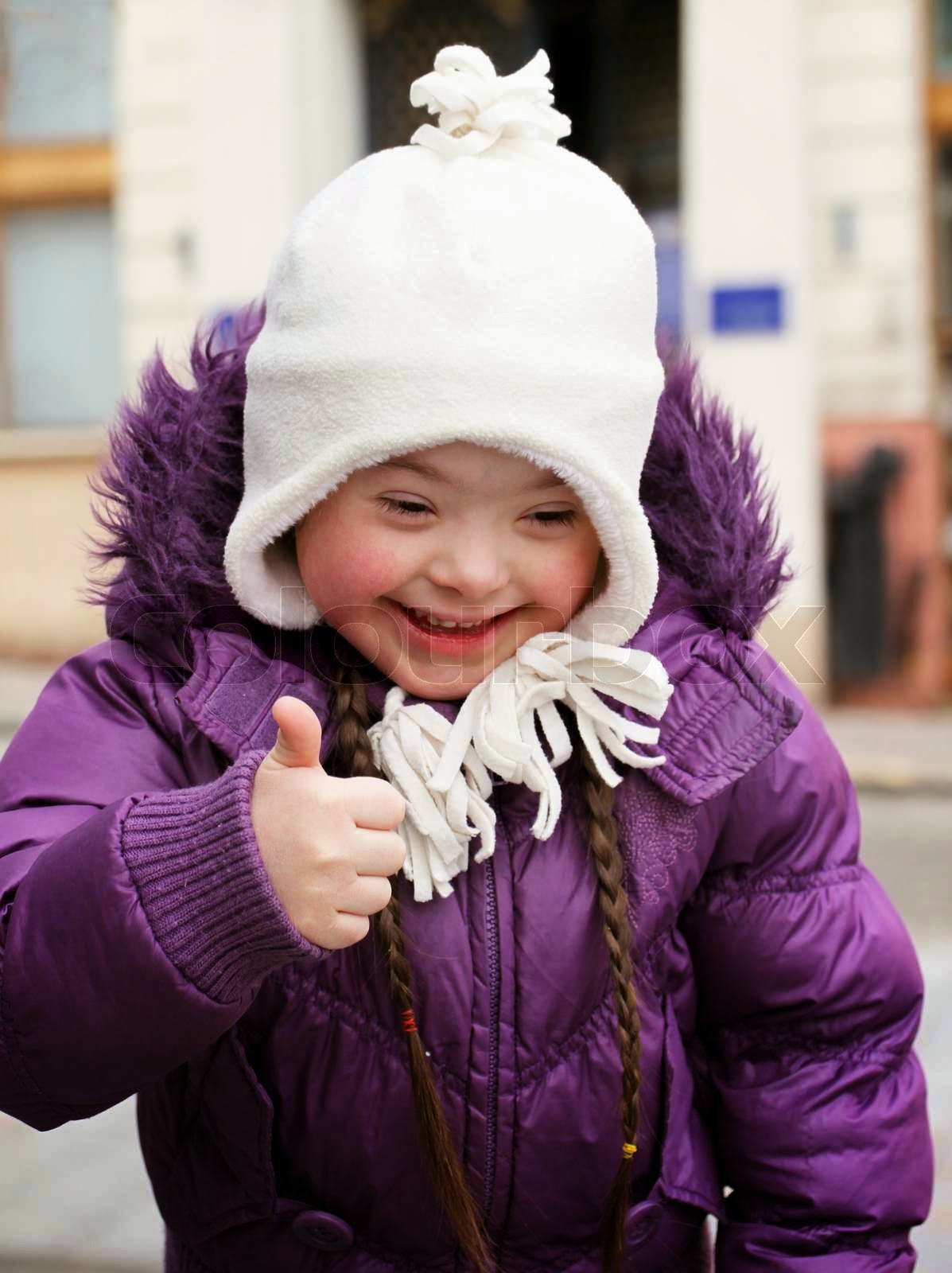
In light of World Down Syndrome Day 21st
March 2015, it is the ideal opportunity to take the time to recognise the
recent achievements of individuals with Down syndrome. A number of positive individual
success stories have caught media attention both in Norway and also elsewhere
across the globe, and it is great to celebrate these. In addition to individual
success stories catching media attention, the inclusion of individuals with
Down syndrome in media outlets such as television, theatre, music, art and literature
all have an influence on our perceptions of people with Down syndrome and
challenge stereotypes, with the potential to help the public to better
understand and respect any individual with Down syndrome. In this post we will
highlight some of the latest stories regarding individuals with Down syndrome that
have caught public attention via the media.
 Starting with the example of a strong confident role model,
having a real impact, is public speaker Marte Wexelsen Goksøyr. In 2014 Norway
celebrated 200 years of the Norwegian Constitution and NRK arranged a jubilee
broadcast. Marte Wexelsen Goksøyr was amongst several speakers– she is a
regular contributor to the debate about abortion and the value of life. She
writes, acts and speaks bluntly about these subjects and societies views on
intellectual disabilities. She`s a 33 year old woman with Down syndrome. Her
contribution to the Norwegian Constitution jubilee is a speech named ‘I want to
live!’ -The link to the broadcast – NRK (16th of February 2014) is
here: https://www.youtube.com/watch?v=-YY6vTQR-9E
Starting with the example of a strong confident role model,
having a real impact, is public speaker Marte Wexelsen Goksøyr. In 2014 Norway
celebrated 200 years of the Norwegian Constitution and NRK arranged a jubilee
broadcast. Marte Wexelsen Goksøyr was amongst several speakers– she is a
regular contributor to the debate about abortion and the value of life. She
writes, acts and speaks bluntly about these subjects and societies views on
intellectual disabilities. She`s a 33 year old woman with Down syndrome. Her
contribution to the Norwegian Constitution jubilee is a speech named ‘I want to
live!’ -The link to the broadcast – NRK (16th of February 2014) is
here: https://www.youtube.com/watch?v=-YY6vTQR-9E
Article about Marte Wexelsen Goksøyr from Norwegian
Network for Down Syndrome:

There have been a number of individuals with Down
syndrome acknowledged recently in the news for their specific talents. In
September 2014 a news article caught our eyes, the article was about a talented
photographer - his photographs are unique, for instance capturing photographs of
wildlife from stunning angles. He has Down syndrome and his Mother has
commented that he ‘sees the world differently’. His ability to see the world
differently may be what makes his photographs so interesting. The article is
here: http://www.bbc.co.uk/news/magazine-29107894
From individuals with Down syndrome taking
photographs, to individuals with Down syndrome being
photographed… In the news recently, a photographer based
in Germany took photographs of individuals with Down syndrome, where they were
able to express who they were and be seen in the way that they would like to be
seen. This was part of a project entitled ‘Real prettiness’ – the idea is to
see beyond the disabilities, and embrace individual characters, the photographs
can be seen here:
Another example is the Norwegian photographer Bjørn
Wad who photographs individuals with Down syndrome and their families. He aims
to get pictures of individuals of all ages. The end result will be an
exhibition and a photobook. Read an article about the project here: http://www.nfunorge.org/Global/
Nyheter%20NFU%20sentralt/SFA/SFA2_2014_arkiv.pdf
Also taking creative photographs recently were a
Mother with her daughter who has Down syndrome. They were both involved in
taking and being in the photographs, and the end product is really beautiful: http://www.huffingtonpost.com/2014/01/03/emer-gillespie-mother-daughter-down-syndrome-laoisha_n_4537682.html
Others have been photographed in the name of
fashion - recently American actress Jamie Brewer became the first model with Down syndrome to walk down the run way; she took part in New York
fashion week and did an amazing job. She is a great role model to encourage
people both with and without Down syndrome to be comfortable with who they are.

We have also seen musical talent; a 13 year
old girl with Down syndrome from Canada made headlines recently after singing in a Youtube
video… she became a star overnight. This story had particular impact because it
is often claimed that individuals with Down syndrome are not able to sing, with
individuals often having a hoarseness to their voice. Pryce (1994) researched
vocal muscles in Down syndrome, finding that twice as much energy was needed to
activate the vocal mechanism in those with Down syndrome compared to those
without. Nonetheless, the performance of the 13 year old girl with Down
syndrome showed that it is possible to sing and she impressed people across the
internet. See the report here: http://globalnews.ca/news/1807871/toronto-teen-with-down-syndrome-defies-expectations-with-cover-of-all-of-me/
Also on the topic
of musical talents, a punk band who include members with Down syndrome have recently been successful in
getting through to the Eurovision semi-finals – this shows off the talent that
individuals with Down syndrome can develop and advocates inclusion for those
with Down syndrome, which is great to see.

Down syndrome awareness can also be raised via literature,
Eivind Eidslott is a journalist and writer who wrote a book focusing on the
positive sides of having a child with DS: Life with Marikken - “How Down can
become an Up”. The book is about becoming parents to a girl with Down syndrome.
He writes about the shock that they first went through as a family and about
his initial concerns regarding the limitations he thought having a child with
Down syndrome would entail. However, as a family they decided to be optimistic
and live life as they normally would – they are active hikers and skiers and so
they continued this active lifestyle when Marikken was born. Eivind writes
about opportunities when you have a child with Down syndrome:
https://www.tanum.no/
helse-sex-og-samliv/familie-og-helse/livet-med-marikken-eivind-eidslott-9788293110088
https://www.tanum.no/
helse-sex-og-samliv/familie-og-helse/livet-med-marikken-eivind-eidslott-9788293110088
Article from Ut.no – webpage run by DNT (“the
Norwegian tourist organization”) http://artikkel.ut.no/oppturen-med-med-marikken-1.12090584
In addition to parents writing inspiring books about
their own experiences having a child with Down syndrome, individuals with Down
syndrome are also able to develop the skills to write their own stories. Grace
Chen is a Canadian author with Down syndrome who has published her own book! Just last week,
Grace and her collaborating author Judy McFarlane went on television in Canada
to discuss writing together –and they also remind viewers about Down syndrome
awareness day 2015! Watch the clip here:
As well as numerous individual success stories that
have been in the news, there has also been media
attention regarding the nature of Down syndrome, and
intellectual disabilities more generally, as a result of recent television shows,
theatre performances and films that have included individuals with Down
syndrome:
Both in Norway and in the UK we`ve seen reality shows
on television focused on the lives of individuals with intellectual
disabilities – some of them with Down syndrome. In Norway Tangerudbakken is a well-known
reality documentary about six adults
with intellectual disabilities living in an assisted living facility in Oslo.
Three of the adults living in Tangerudbakken have Down syndrome. The show has
received a lot of attention and last year they celebrated 5 years since the
individuals moved into their homes and started the production/broadcasting of
the show. While this show does put people with Down syndrome in the public eye
and increase awareness of the condition, there has also been some debate
regarding ethical aspects of the show, in that there may be an element of
mockery and an unrealistic representation of life with Down syndrome.
Home page Tangerudbakken:
 In the UK a
show called the ‘Undateables’, focuses on individuals who are looking to find a
relationship but who also experience a disability, ranging from autism,
dwarfism, Tourette syndrome, and also including Down syndrome. In this show dating agencies
arrange a date for the individual and they are then filmed on the date, there
are often awkward moments. Often the individuals who have learning difficulties
fall for each other very quickly. Recently a woman with Down syndrome in her
20’s was on the show, she was very romantic. She met a man also with learning
difficulties and they got on extremely well and began a romantic relationship
together – the woman was confident, chatty and a great cook. In many ways the
show offers a sensitive, respectful insight into the romantic lives of the
individuals involved, and also gives some background on the individual and the
difficulties that they can experience. However, because people often say funny
or inappropriate things on the dates some viewers may also feel that there is
an element of mockery for entertainment.
In the UK a
show called the ‘Undateables’, focuses on individuals who are looking to find a
relationship but who also experience a disability, ranging from autism,
dwarfism, Tourette syndrome, and also including Down syndrome. In this show dating agencies
arrange a date for the individual and they are then filmed on the date, there
are often awkward moments. Often the individuals who have learning difficulties
fall for each other very quickly. Recently a woman with Down syndrome in her
20’s was on the show, she was very romantic. She met a man also with learning
difficulties and they got on extremely well and began a romantic relationship
together – the woman was confident, chatty and a great cook. In many ways the
show offers a sensitive, respectful insight into the romantic lives of the
individuals involved, and also gives some background on the individual and the
difficulties that they can experience. However, because people often say funny
or inappropriate things on the dates some viewers may also feel that there is
an element of mockery for entertainment.
One documentary that was recently on television in England provided a really insightful
portrayal of the ups and downs of living with Down syndrome – the film maker
captured some beautiful scenes. The documentary was
named ‘Growing up Down’s’, and was based on following a theatre group of
individuals who have learning difficulties preparing for a performance of
Shakespeare’s Hamlet- the main focus was on one of the boys (Tommy) who had
Down syndrome. The documentary was filmed by Tommy’s brother – perhaps this
personal experience is what lead the film maker to produce what seemed to be
such a sensitive, honest and insightful portrayal of Down syndrome.
 The documentary was moving in a number of ways –
capturing love and intimacy (though filmed in a thoughtful non-invasive way),
capturing moments of individuals finding inner strength and releasing that
strength through acting. Capturing individuals’ realization that they have Down
syndrome, and that they have features of other individuals with Down syndrome,
and watching their journey as they process and come to terms with this reality.
The documentary allowed the audience to watch individuals cope with the ups and
downs of life. The group ultimately reach their goal of performing Hamlet to
live audiences - and the performance was incredible. Perhaps this is a perfect
example of how it is possible to give the public an insight into Down syndrome in
such a way that it is ethical, fair and realistic.
The documentary was moving in a number of ways –
capturing love and intimacy (though filmed in a thoughtful non-invasive way),
capturing moments of individuals finding inner strength and releasing that
strength through acting. Capturing individuals’ realization that they have Down
syndrome, and that they have features of other individuals with Down syndrome,
and watching their journey as they process and come to terms with this reality.
The documentary allowed the audience to watch individuals cope with the ups and
downs of life. The group ultimately reach their goal of performing Hamlet to
live audiences - and the performance was incredible. Perhaps this is a perfect
example of how it is possible to give the public an insight into Down syndrome in
such a way that it is ethical, fair and realistic. Many individuals with Down syndrome enjoy
acting, beyond theatre performance, a recent Norwegian film (2013) is also
based on an individual with Down syndrome: ‘Detective Downs’. https://www.facebook.com/DetektivDowns
Many individuals with Down syndrome enjoy
acting, beyond theatre performance, a recent Norwegian film (2013) is also
based on an individual with Down syndrome: ‘Detective Downs’. https://www.facebook.com/DetektivDowns  Inclusion of characters with Down syndrome in film
allows for a reflection of real life. It is important that individuals with
Down syndrome are represented in film, theatre, television, and represented in
a true, fair and respectful light. Awareness of Down syndrome can also be
increased via the influence of social media. A nice example of the impact that
can be had via social media was a fathers post on his Facebook page about what
he felt was mockery of individuals with Down syndrome in a Norwegian radio
show. The Father wrote an open letter to the hosts of the radio show – it
received massive attention in social media and gave fuel to the debate about
humor/satire about vulnerable groups. The
open letter can be seen here in the Norwegian article: http://www.bt.no/meninger/debatt/Hvorfor-kodder-dere-med-at-datteren-min-har-Downs_-Radioresepsjonen-3255281.html
Inclusion of characters with Down syndrome in film
allows for a reflection of real life. It is important that individuals with
Down syndrome are represented in film, theatre, television, and represented in
a true, fair and respectful light. Awareness of Down syndrome can also be
increased via the influence of social media. A nice example of the impact that
can be had via social media was a fathers post on his Facebook page about what
he felt was mockery of individuals with Down syndrome in a Norwegian radio
show. The Father wrote an open letter to the hosts of the radio show – it
received massive attention in social media and gave fuel to the debate about
humor/satire about vulnerable groups. The
open letter can be seen here in the Norwegian article: http://www.bt.no/meninger/debatt/Hvorfor-kodder-dere-med-at-datteren-min-har-Downs_-Radioresepsjonen-3255281.html
Individuals also use social media to share success
stories with one another, for example:
The selection of outlets in this
blog post shows that the focus on Down syndrome in the media over the last year
has been enormous. We have seen some positive progress in inclusion and
increases in awareness of individuals with intellectual disabilities. There
have been suggestions that Down syndrome is now a dying diagnosis - meaning
that to learn more about Down syndrome, and increase understanding about this
syndrome further is not important. However, Down syndrome is in fact the most
common biological cause of intellectual disability and the more we increase
knowledge the more we understand the successes that are possible and where
individuals face challenges – such knowledge is important in order to uncover
future directions of support, education and intervention.
 Also highlighted when we talk about coverage in the
media, is the way in which individuals with Down syndrome are represented, and
the question of whether or not all media coverage is a positive thing. Discussions
about human dignity are raised and these are challenging – Amongst the critical voices is the leader of the Norwegian association for individuals with Intellectual
disabilities (NFU), Jens Petter Gitlesen. He acknowledges that those with Down
syndrome and others with intellectual disabilities should be more visible in
the media, but is sceptical to some of the media publicity. In his view for
instance, some productions on television can appear to mock individuals with
Down syndrome, and give an inaccurate image of the life of people with Down
syndrome and their opportunities in life (Brenna & Jonassen 2014). The way in which television documentaries as well as
other media outlets present individuals and even the
titles of shows or news articles could have an influence on the portrayal of
disabilities. Some would argue that television show titles and the way the
shows are produced often functions as a way to draw more public interest into
the show, thereby raising more awareness of disabilities– clearly a positive.
That said, there is certainly an element of being entertained by people’s
disability-related characteristics in some of these television shows. Although the
aims of shows may have been to create more
understanding, tolerance and insight into what it`s like to live with an
intellectual disability, some shows may nonetheless
appear to be patronizing or insensitive to some viewers as well.
Also highlighted when we talk about coverage in the
media, is the way in which individuals with Down syndrome are represented, and
the question of whether or not all media coverage is a positive thing. Discussions
about human dignity are raised and these are challenging – Amongst the critical voices is the leader of the Norwegian association for individuals with Intellectual
disabilities (NFU), Jens Petter Gitlesen. He acknowledges that those with Down
syndrome and others with intellectual disabilities should be more visible in
the media, but is sceptical to some of the media publicity. In his view for
instance, some productions on television can appear to mock individuals with
Down syndrome, and give an inaccurate image of the life of people with Down
syndrome and their opportunities in life (Brenna & Jonassen 2014). The way in which television documentaries as well as
other media outlets present individuals and even the
titles of shows or news articles could have an influence on the portrayal of
disabilities. Some would argue that television show titles and the way the
shows are produced often functions as a way to draw more public interest into
the show, thereby raising more awareness of disabilities– clearly a positive.
That said, there is certainly an element of being entertained by people’s
disability-related characteristics in some of these television shows. Although the
aims of shows may have been to create more
understanding, tolerance and insight into what it`s like to live with an
intellectual disability, some shows may nonetheless
appear to be patronizing or insensitive to some viewers as well.
While media coverage may increase awareness about Down
syndrome, it is clearly important to consider the way individuals are portrayed
in these various circumstances. What is vital is how individuals with Down
syndrome themselves feel that they are represented, as well as how their
parents feel. The level of sensitivity is very
important – some parents of individuals and the individuals with Down syndrome
themselves may feel positive about coverage in shows – others may feel more
sensitive. The
ethical guidelines concerning social media, press, television,
and films also applies to people with
Down syndrome. Since people with Down syndrome often
have intellectual disabilities they are considered as a vulnerable group and in
that sense it could be argued that they have to be treated in line with this
vulnerability. On the other hand, it is important not to reduce
people to a diagnosis rather than
see them as individuals.
 What is important is that these topics are being
discussed, and that people are thinking seriously about how best to represent
individuals with disabilities or learning difficulties in the media. Examples
such as ‘Growing up Down’s’, show that it is possible to create a production in
which individuals are represented in a respectful, dignified and honest manner.
What is important is that these topics are being
discussed, and that people are thinking seriously about how best to represent
individuals with disabilities or learning difficulties in the media. Examples
such as ‘Growing up Down’s’, show that it is possible to create a production in
which individuals are represented in a respectful, dignified and honest manner.
With regards to coverage in the news of individuals
success stories it is also important to keep in mind the representation that
these news stories provide. Celebrating the potential of individuals in the
face of having Down syndrome is of course a very positive thing – but, there is
huge variability in abilities and symptoms in individuals with Down syndrome,
and of course many children with Down syndrome do not develop a talent like the
ones selected in this blog – indeed many people without Down syndrome do not
have such talents either! It is important that a fair and realistic
representation of Down syndrome is shown in the media. This will help
individuals to not only be aware of Down syndrome, but also to be aware of the
potential strengths and weaknesses related to this syndrome, the diversity of
individuals who have Down syndrome, and to have an appreciation of this.
The use of social media to generate awareness can be
very positive. Social media provides an outlet for people to share stories of
both difficulties and success on a small and large scale, and to discuss,
challenge and share knowledge. What we really want to see more of, is people understanding
more about Down syndrome, and respecting individuals for who they are,
regardless of having Down syndrome or not. It feels particularly appropriate on
the
World Down Syndrome Day that we should celebrate individuals’ success
in breaking barriers. Hopefully there will be many more positive stories
continuing throughout 2015.
- Written by Liz,
Silje and Kari-Anne -
References
Pryce, M. (1994).
The voice of people with Down syndrome: An EMG biofeedback study. Down Syndrome Research and Practice, 2(3),
106-111.
Brenna, K. A.
& Jonassen, T. H. (2014, 09.12.). Tangerudbakken viser et bilde som ikke
stemmer med virkeligheten. Dagbladet. Hentet
fra: http://www.dagbladet.no/2014/12/06/kultur/nyhet/down_syndrom/tangerudbakken/tvnorge/36606011


